


















OUTCOME #1
Capacity you can measure
Specific workflows come back with hours attached. The work that never needed judgment stops taking your best people's week.
Services
Your team still assembles the same reports by hand, pulls the same numbers out of three systems, and loses the same follow-ups.
Phos AI Labs builds the agents that take that work and stays embedded to keep improving them.
AI implementation is the work of building AI systems into a company's real operations and running them there: agents, AI employees, and automated workflows connected to the tools the business already uses. Phos AI Labs maps the process, wires in memory and the right tools, then stays in the room while they earn their keep. An agent is only as good as the context you give it before you turn it on. That is what separates implementation from a pilot.

Claude (Anthropic) Partner · Select OpenAI Partner · CCA-F certified team
40+ AI Systems
shipped to production in the last 6 months
~6 weeks
to your first working AI system
Trusted across 450+ builds







Every operator can name the three workflows eating their week. What is missing is a team that can build the thing, connect it to the systems that matter, and keep it alive after launch.
The same report assembled by hand every Monday. The same data pulled from three systems and pasted into a spreadsheet. Your best people, doing it.
You have wanted to automate this for two years. Hiring for it means a search you do not have time to run and a salary that only buys one perspective.
Something got built, demoed well, and quietly stopped being used. It was never connected to real data, so it was never trusted with real work.
Three or four six-figure contracts run in parallel, each covering a fraction of what one connected system could. The spend that could fund growth stays locked in licenses.
A twenty-five step process usually resolves into a handful of agents, some plain code, and a small number of human checkpoints. Sorting the steps is the work. Building them is the easy part.
No judgment in it at all. Regular code is cheaper to run, faster, auditable, and it never invents an answer. Most of what companies try to hand to AI belongs here.
There is judgment, there are thousands of recorded past decisions to learn from, and being wrong occasionally is survivable. These work best when the output is a yes or no, a routing decision, or a match.
The cost of being wrong is too high, or there is no history to learn from. The agent gathers every piece of evidence first, so the call takes thirty seconds instead of forty minutes of hunting.
The build is the easy part. The context is what makes it work.
This engagement starts with the context layer, then ships production systems on top of it, and keeps a team on them afterward. An agent that knows your business, your voice, and your history outperforms one that only knows the model it runs on.
The living map of how your company actually works: operating manuals, decision rules, customer archetypes, and voice packs any model can read.
Agents built for one job each, connected to your stack, running every day against a measurable outcome.
Named roles that own a function end to end, from prospecting and qualification to ticket triage and daily briefings.
One company-owned environment where the whole team works, with your access controls and your data inside your infrastructure.
Wiring into the tools that run the business: your CRM, your ERP, your help desk, your drive, your inbox.
Structured retrieval so agents answer from your documents and your history instead of general training data.
Every consequential action routed for sign-off, so the AI surfaces and prepares and a person still decides.
Each system built against a number, tracked after launch, and fixed when it drifts.
How each system works, what it touches, and what to do when it misbehaves, written for your team.
The queue of the next highest-value builds, re-ranked every month as the operation changes.
Ongoing. Starts with the workflows costing you the most, and gets deeper every month.
We look at where the team's hours go each week: the repetitive work, the manual reports, the follow-ups that fall through. We pick the two or three with the highest return and build there first.
The process gets mapped, the memory gets wired, the tools get connected, and the retrieval gets tested against your own documents. This is the step most implementations skip and the reason most of them fail.
Agents, AI employees, and automated workflows, running in your infrastructure. Your data stays inside your operation and your security team is involved from day one.
Every system is built against a number. If it is not performing we fix it. If a new opportunity shows up we build for it. Nothing ships and gets forgotten.
We operate as your embedded AI team: bringing new ideas, taking quick wins fast, and moving into harder processes as the operation matures. Month six should be better than month one.
Implementation is phase three. Each phase ends with something you own and a decision about whether to keep going, so nothing here commits you to the next one.
The audit that finds where AI belongs and what it is worth.
See AI Consulting →Your team gets fluent on the work AI is about to touch.
See AI Enablement →You are here. Agents and systems that run the work, built and embedded.
Three layers, built in order. The foundation, the environment your team works inside, and the connective layer that runs the operation on top of both.
The living map of how your company works, structured so any model can read it. The floor everything else stands on.
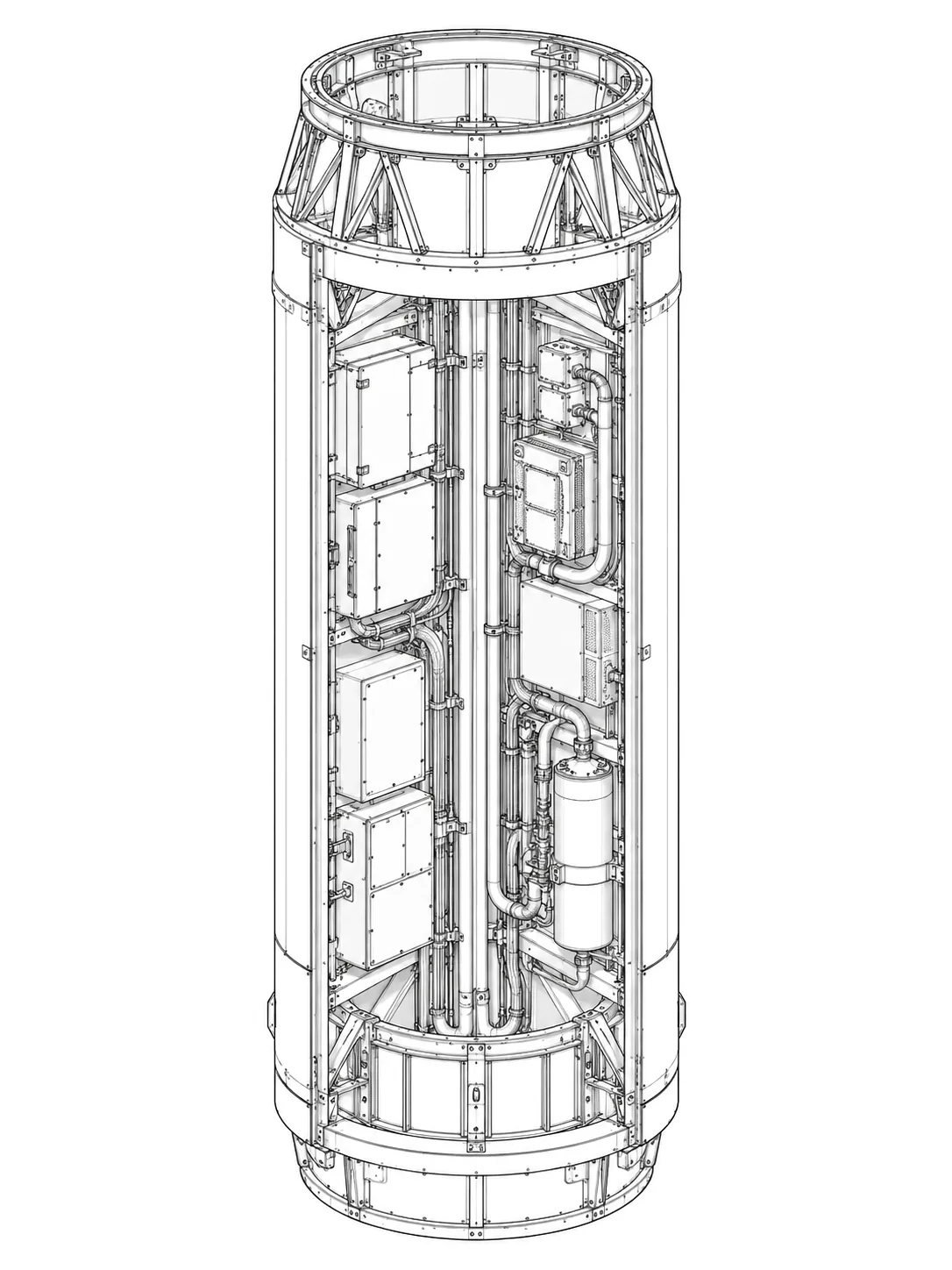
One company-owned AI environment for the whole team, with your access controls, your data, and usage you can actually see.

The connective layer between your CRM, inbox, project manager, and docs, so your own work keeps making the system sharper.
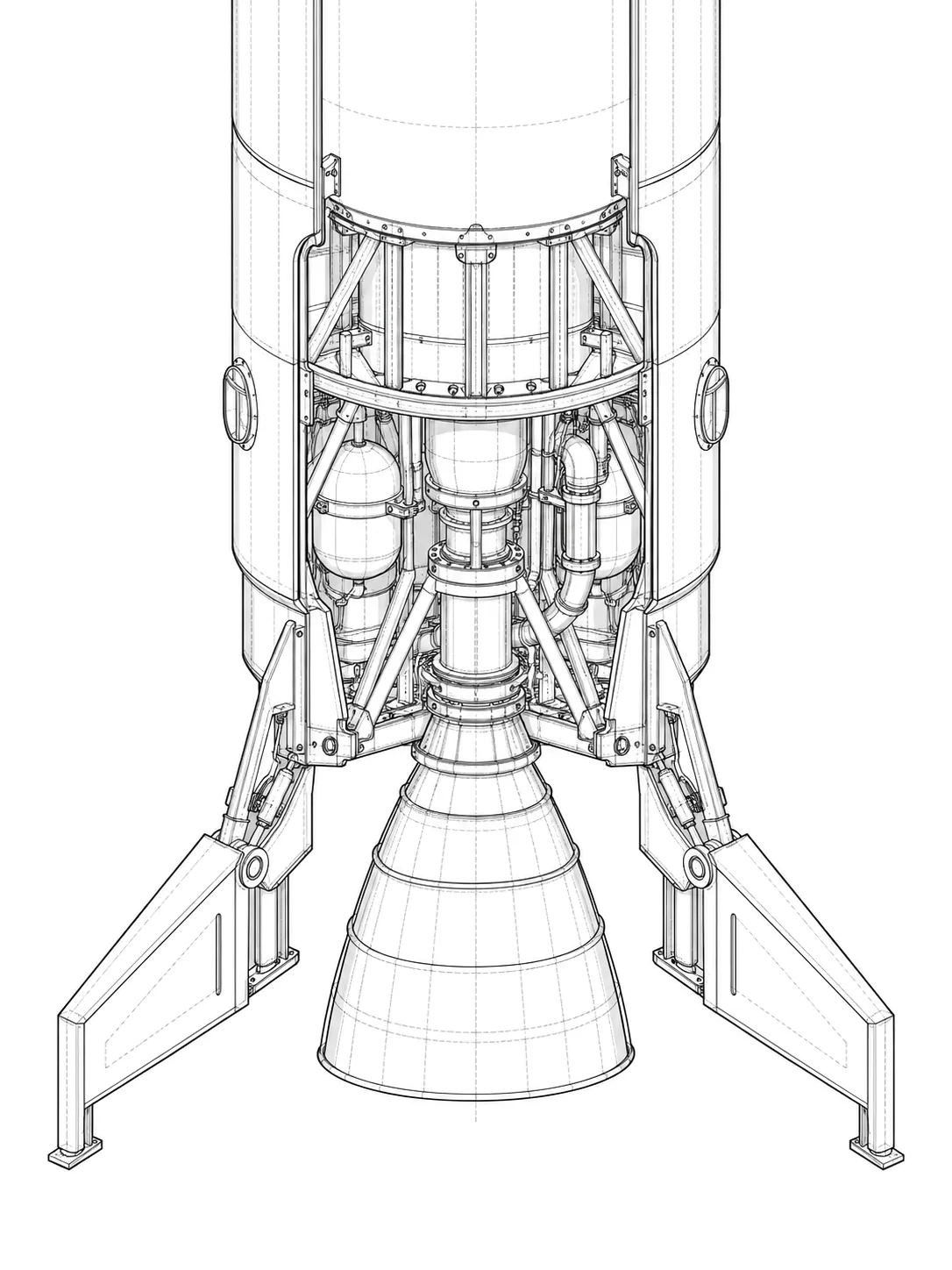
A manufacturer, an insurance brokerage, and a logistics operator each lose their week in a different place. The build order follows the operation in front of us.
If your work runs on drafting, summarizing, or answering from your own documents, there is a fit.
Book a callCompanies come to Phos AI Labs with a list of things they meant to automate. They leave with systems already running, hours back on the calendar, and a team that keeps finding the next one.
OUTCOME #1
Specific workflows come back with hours attached. The work that never needed judgment stops taking your best people's week.
OUTCOME #2
Phos AI Labs embeds with your team and keeps the whole thing pointed at growth: building, connecting, and improving across the operation.
OUTCOME #3
Every deal closed and ticket resolved feeds back into the context layer. Month twelve runs on a system that knows more about your business than any single person in it.
It shows up in four places: revenue that did not exist before, hours that came back, administration that disappeared, and doors that were closed until the architecture cleared review.
Payroll Mexico
I set up two recurring tasks, one daily, one weekly. We have a bunch of leads to follow. I don't know how Phos AI Labs does this. I am amazed.
Franklin Delano Frith II, Owner, Payroll Mexico
 Read the full story →
LOW/CODE Agency
2,400 leads had been sitting in our pipeline for years. The AI read every thread, found 707 worth contacting, and had a personalized draft ready for each one. That pipeline existed in our data the whole time. We just never had the intelligence to see it.
Jesus Vargas, Founder and CEO, LOW/CODE Agency and Phos AI Labs
GAF
We were using spreadsheets and hoping nothing fell through the cracks. After working with Phos AI Labs, their AI implementation handles 75% of the administration and the team handles the work they're actually great at.
Matt Hegge, Director, GAF
HRM Mexico
The results from our increase in lead generation are outstanding. This is the perfect example of the importance of moving forward with an AI strategy. We feel very fortunate to have chosen Phos AI Labs as our partner. It has been a positive game changer for us.
Franklin Delano Frith II, Owner, HRM
 Read the full story →
Most shops build what you asked for and invoice on delivery. Phos AI Labs decides what to build, builds it, measures whether it worked, fixes what did not, and brings the next idea to the table.
A new AI agency launches every week with a landing page and no case studies. Most have never worked with a company doing $5M+ in revenue or connected an agent to NetSuite, Salesforce, or SAP. We have, again and again.
Two AI employees that know your business, your voice, your clients, and your history will outperform thirty that do not. Every single time. We build the context layer first, which is why our systems are still running in month twelve.
A senior AI lead costs $250,000+ and takes six months to find. Phos AI Labs embeds that capability the week you start, backed by a full team instead of one person.
We build so that a price change, a rate limit, or a retired model at one provider is our problem to solve rather than yours. We hold Claude (Anthropic) Partner and Select OpenAI Partner credentials, and model choice is made per task on accuracy and cost.
AI implementation with Phos AI Labs typically runs $10,000 to $50,000 a month, depending on scope and how much of the operation we are running. The first systems go into the work costing your team the most, so the engagement shows a return before it shows a big invoice.
Implementation engagement
Production agents and AI employees built into the workflows costing you the most, measured after launch and improved while they run.
Book a strategy callEmbedded AI department
Your full AI team on retainer: building, connecting, and improving across the whole operation, with the roadmap re-ranked every month.
Talk scopeThe growth you are chasing is often already funded. A company doing $5M+ in revenue usually carries three or four six-figure SaaS contracts doing a fraction of what one connected system could. Part of the work is finding that spend and redirecting it toward the systems that compound.
The products these engagements ship, and the tools that make the first conversation sharper.
Agents that own a role and run your repeat work around the clock. The most common thing an implementation engagement ships.
Explore →The private, company-owned AI workspace your whole team works inside.
Explore →A three-minute voice-driven audit, the same interview method used in the full engagement, in miniature.
Explore →The full library of what Phos AI Labs has shipped, with the numbers behind each build.
Explore →In partnership with